1983 Africar
A Lancaster‑born idea
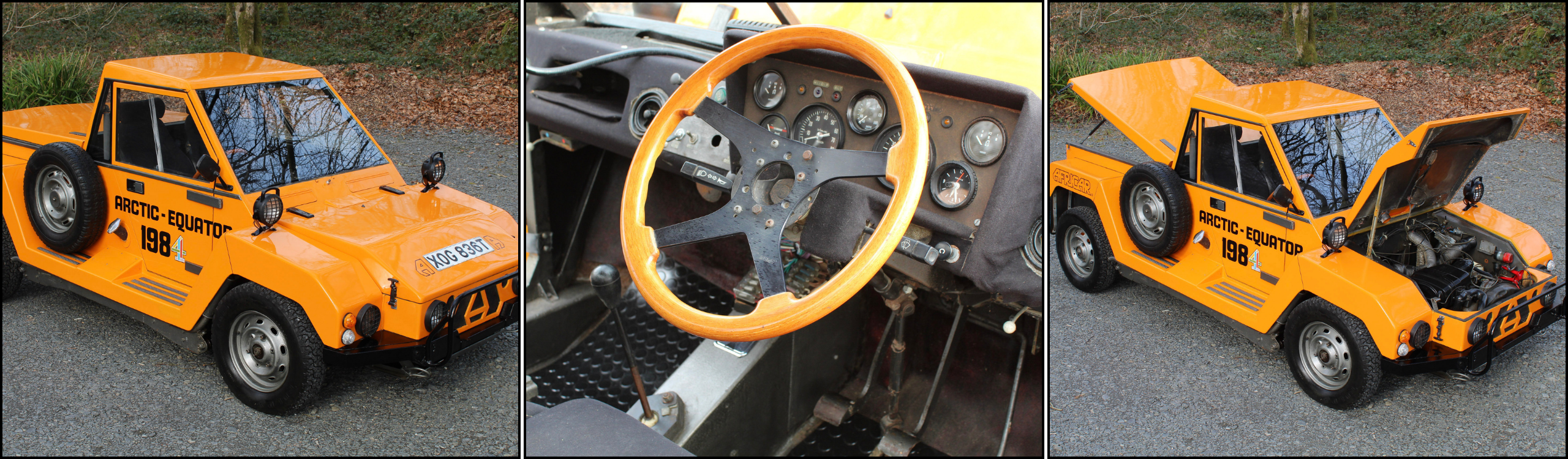
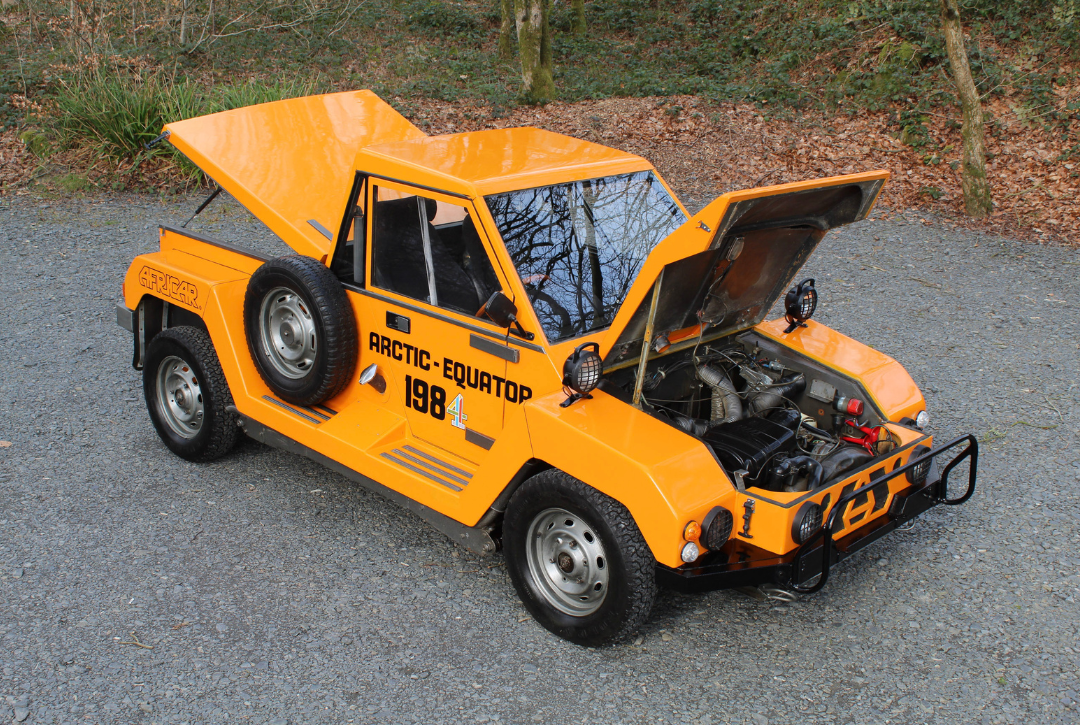
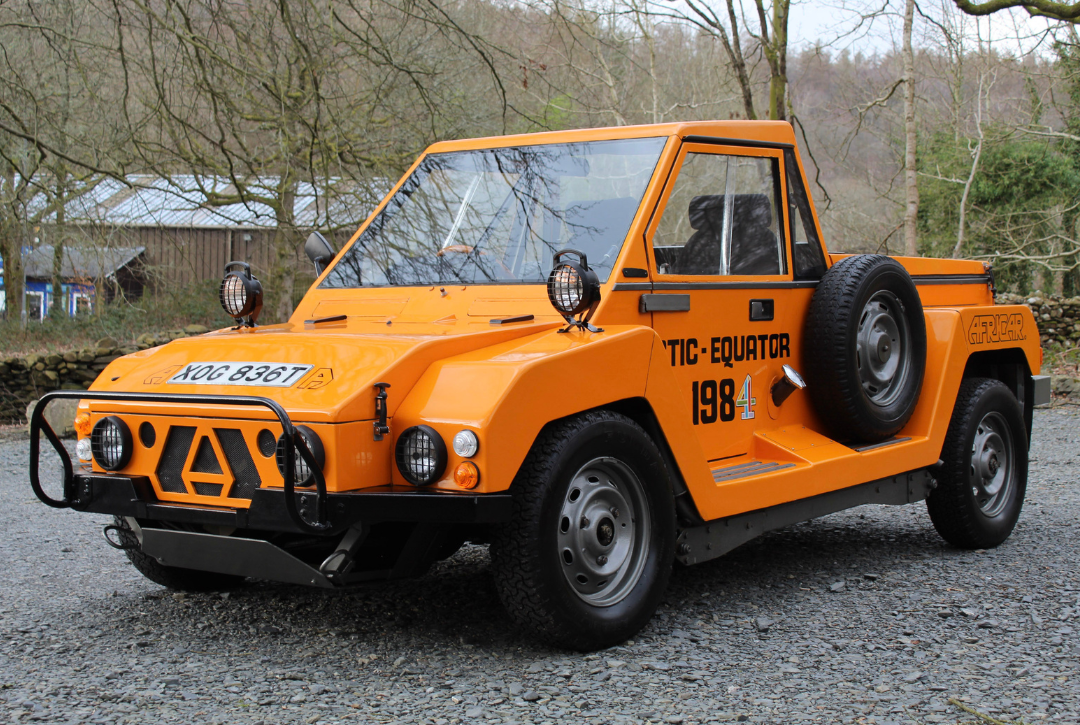
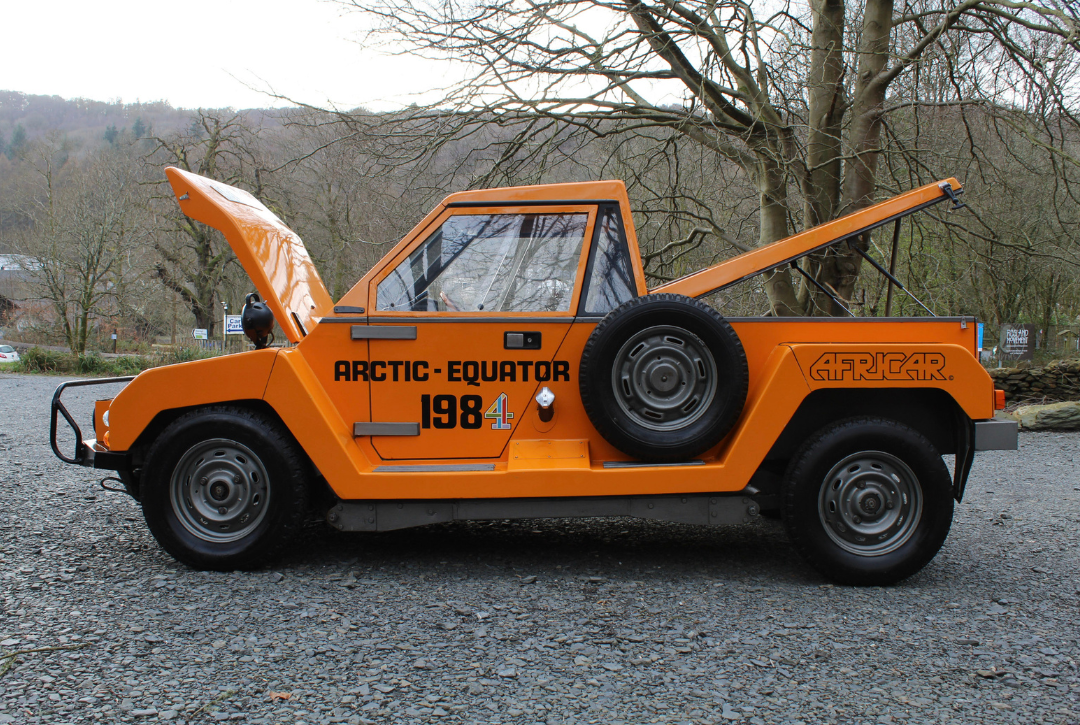
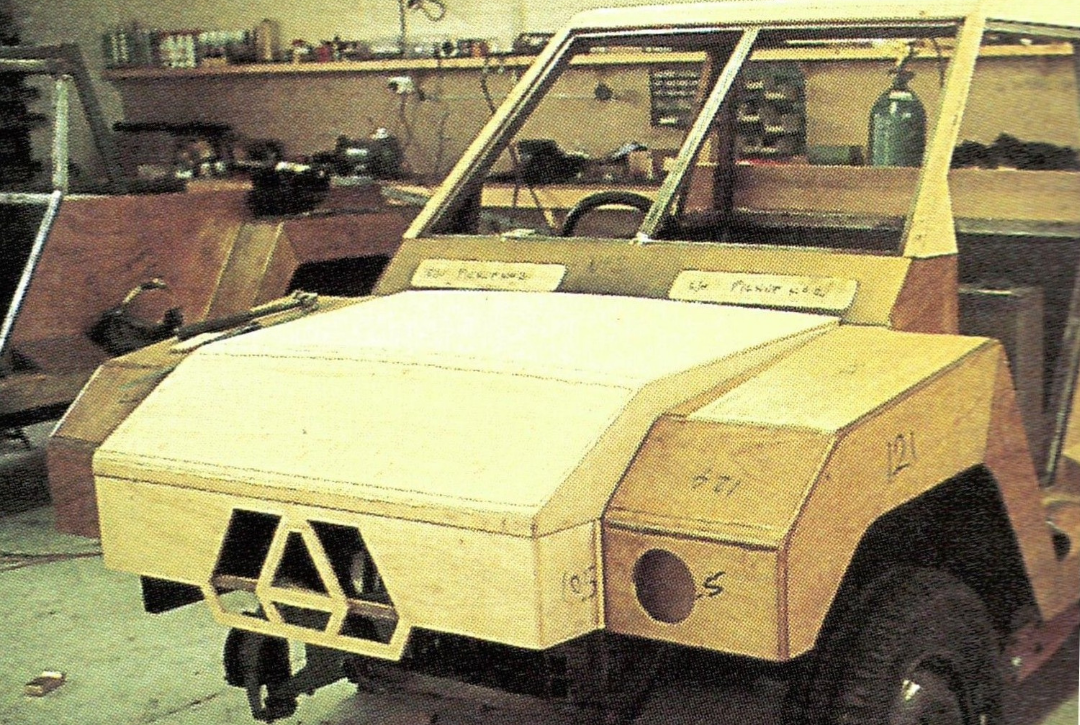
The Africar project was developed in the old Waggon Works off Caton Road, Lancaster. Founder Tony Howarth set out to design simple, easy‑to‑repair vehicles using plywood body panels over a steel frame, with the long‑term plan to build them in Africa.
Prototype for adventure
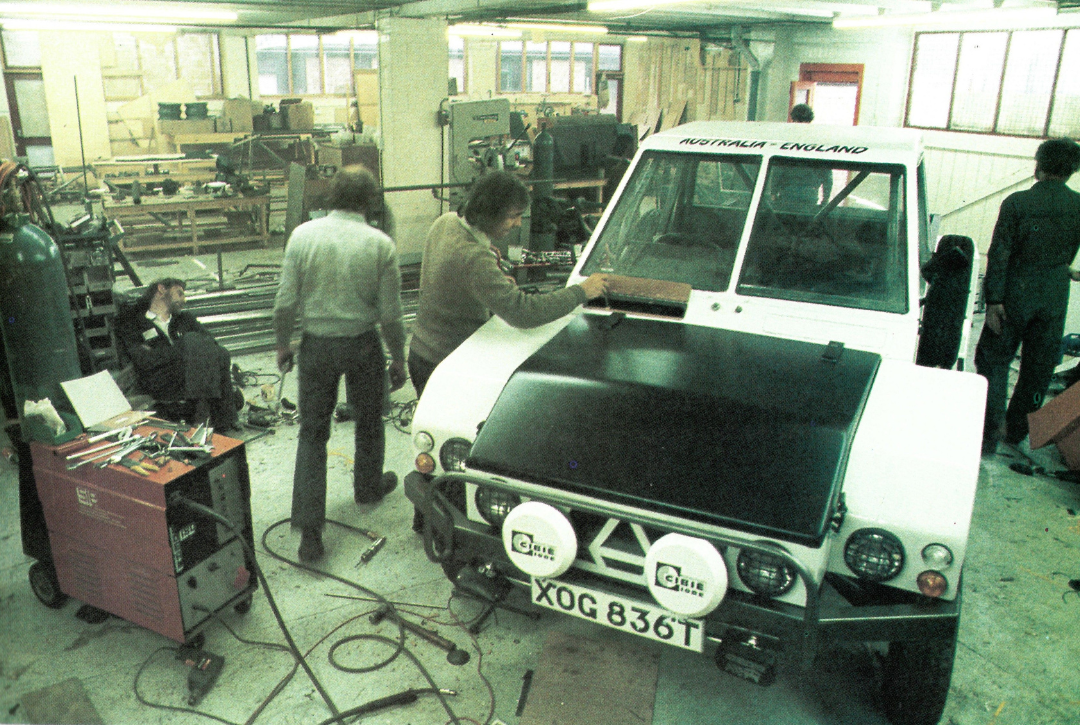
This vehicle was built in just four months for the 1983 Himalayan Rally.
It used the running gear and identity of a 1978 Citroën GS, and originally wore a bold black‑and‑white paint scheme.
As seen on channel 4
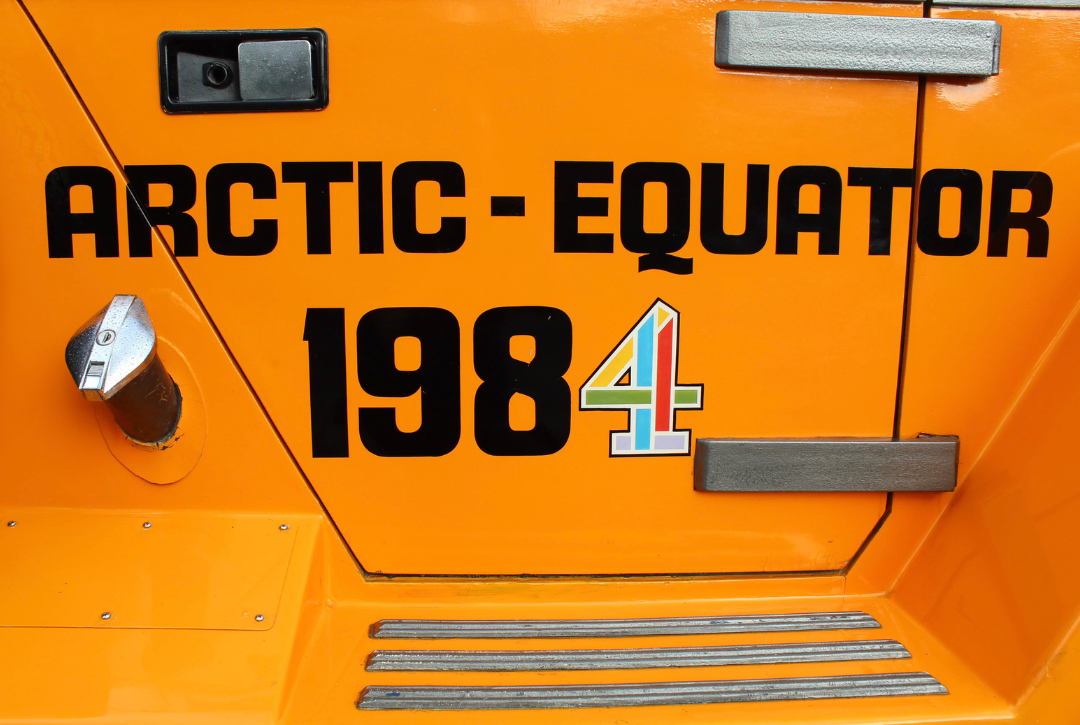
Three more Africars were constructed and featured in a five‑part Channel 4 documentary broadcast in May 1987, charting an extraordinary journey from the Arctic to the Equator.
(You can find the documentary on YouTube)
This vehicle’s story
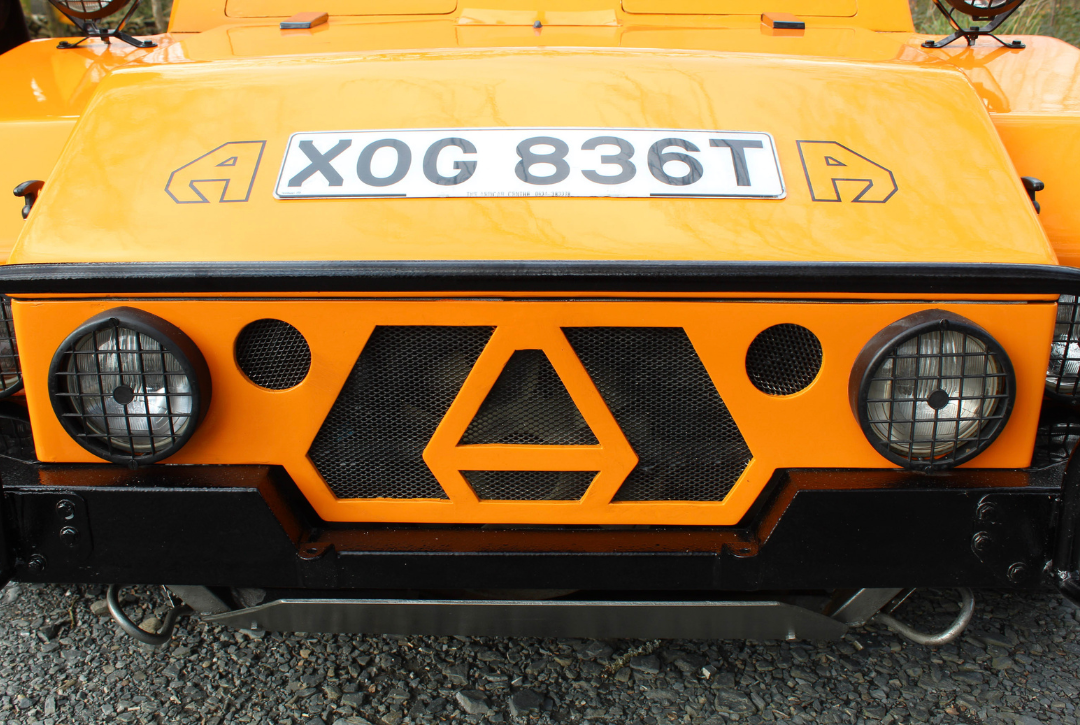
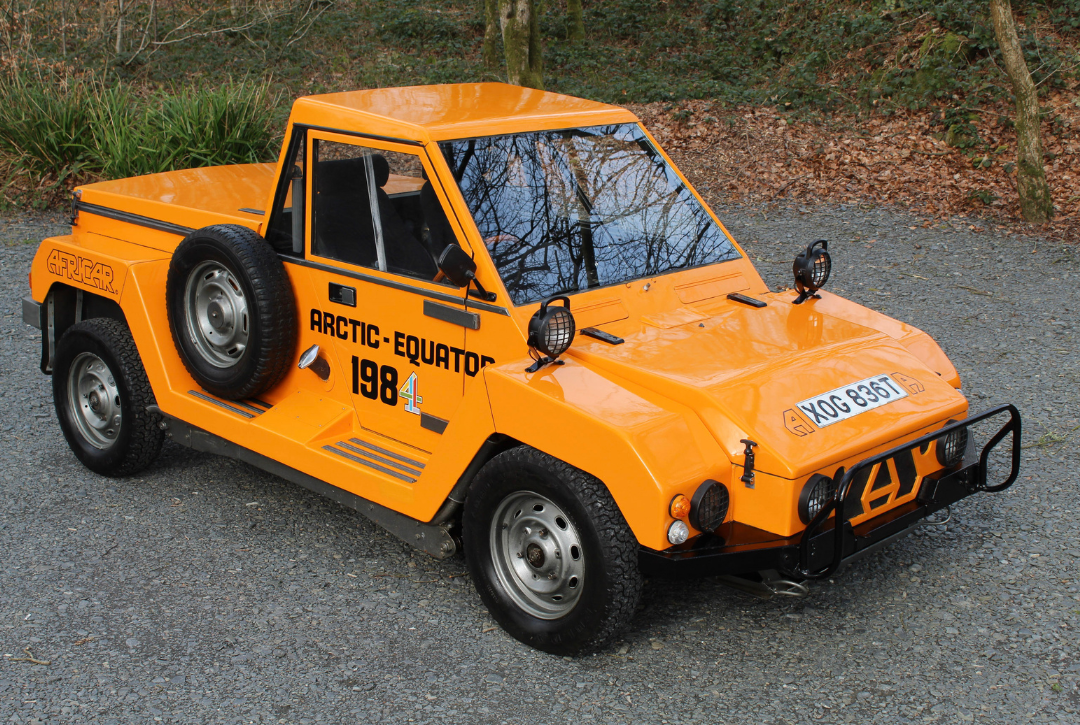
Our example was later repainted International Orange, matching the high‑visibility colour used on the expedition vehicles. It was used for promotional purposes but did not take part in the Arctic‑to‑Equator trip.
Africar International Ltd folded in 1988, and in 1994 Howarth was convicted of theft and fraudulent trading.
The Museum purchased this vehicle at the liquidator’s auction in 1990. It was displayed for many years before entering storage.
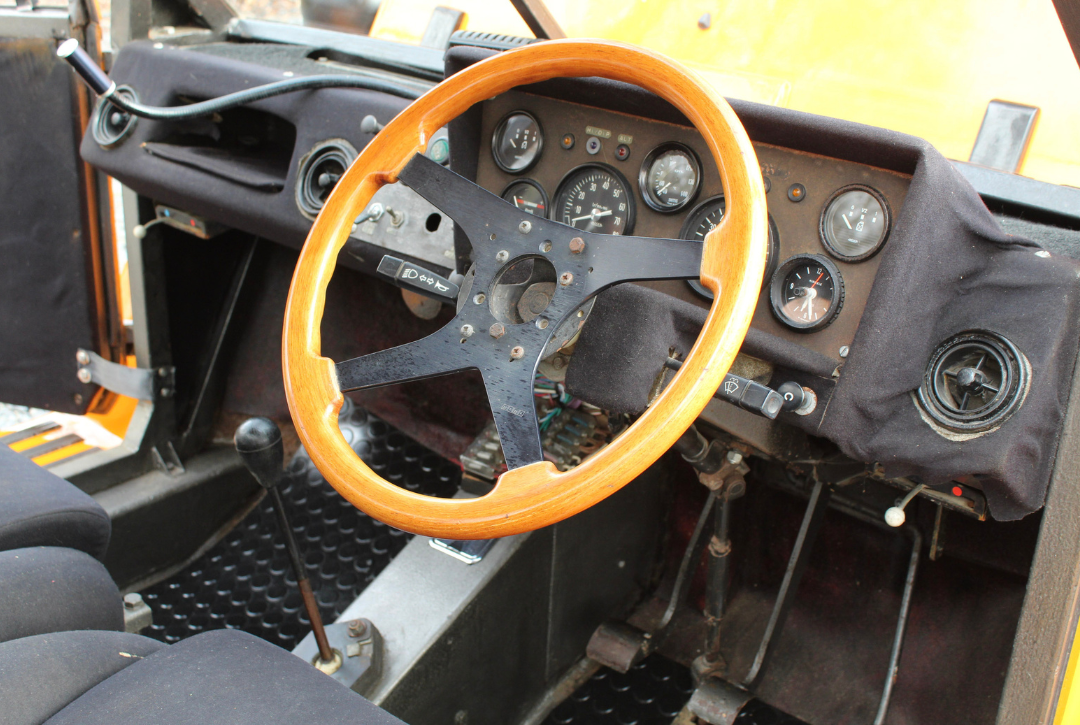
Recently, we completed light restoration work. It’s believed the vehicle has not been driven since its road tax expired in October 1984.
| Key Facts | |
|---|---|
| Date of manufacture | 1983 |
| Powertrain | Citroën GS running gear (using the identity and components of a 1978 Citroën GS). |
| Manufacturer | Africar International Limited, based in Lancaster, England. |
| Production | 1986 until July 1988 |
Interesting Fact
Interesting Facts
- Exceptionally rare: Only six Africars were ever produced, making this one of a tiny handful of surviving examples.
- Rapid build: This prototype was constructed in just four months for the 1983 Himalayan Rally.
- Documentary fame: Three sister vehicles appeared in a five‑part Channel 4 series documenting a journey from the Arctic Circle to the Equator.
- Unique construction: Africars used plywood body panels over a steel frame, intended to be easy to repair with local materials.
- Untouched for decades: This example is believed not to have been driven since October 1984, when its tax expired.
| Share your memories |
|---|
| Do you have a story or memory of the 1983 Africar exhibit? |